You know that feeling when your heart races over nothing, your mind won’t quiet, and suddenly even small tasks feel impossible? Anxiety has a way of making the ordinary seem overwhelming—and most people don’t realize how much it can creep into daily life.
When anxiety goes unchecked, it chips away at your energy, focus, and even how you connect with others. It isn’t just a restless mind; it’s sleepless nights, tension in your chest, and that voice telling you you’ll never get ahead. Nobody wants to live like that, but sometimes it feels like you’re stuck riding out the storm.
Here’s the thing: by the end of this read, you’ll have a toolkit of practical, honest self care for anxiety relief—habits that actually move the needle. You’ll learn everyday strategies that let you breathe easier, find a little calm, and finally start living on your own terms. Ready to feel that shift? Let’s get into it.
Understanding The Science Of Anxiety And Self Care
Why does your pulse leap when your phone pings, or those what-if thoughts race at midnight? Anxiety isn’t just in your head — it’s a nervous system response, wired over thousands of years to keep you safe from real danger. But in today’s world? It’s more likely triggered by deadlines and news alerts than by wild animals in the brush.
The truth is: anxiety starts deep in your brain, involving the amygdala and the hypothalamus. When these areas sense a threat (even a minor one), your body prepares for fight or flight. Heart rate rises, muscles tense, attention narrows. That rush of adrenaline helped our ancestors survive, but now it can hit hard when all you really want is eight solid hours of sleep.
💡 Pro Tip: Practicing self care isn’t just about pampering — it’s science. Harvard Medical School researchers show that relaxation techniques like deep breathing influence your vagus nerve, slowing heart rate and reducing cortisol, the stress hormone.
What Happens In Your Body?
| Trigger | Brain Reaction | Physical Effect |
|---|---|---|
| Loud noise | Amygdala alarms | Heart races, alertness spikes |
| Social tension | Hypothalamus floods hormones | Palms sweat, butterflies in stomach |
| Uncertainty | Prefrontal cortex struggles to quiet fear | Restlessness, overthinking |
In practice: Picture this scenario — you’re waiting for a doctor’s call. Your chest tightens, your mind replays every worst-case outcome, and suddenly that pile of laundry feels impossible. It’s not weakness. It’s biology. Still, the cycle isn’t unbreakable.
That’s where self care steps in. By intentionally carving out moments for your brain and body to reset, you help regulate your stress response — both in the moment and over time. Self care means different things to everyone (for some, it’s journaling; for others, a walk in nature), but the science is clear: regular self care calms your nervous system, gradually making you more resilient to stress triggers.
The American Psychological Association recognizes self care practices as key to preventing chronic stress and improving overall mental health. If you ever feel overwhelmed or your anxiety disrupts daily life, always consider consulting a licensed mental health professional for tailored guidance.
But here’s what most people completely overlook — self care works best when you start small, making it part of your routine rather than a rare emergency fix…
Identifying Your Personal Anxiety Triggers
Ever notice how the smallest things sometimes set your anxiety off? Maybe it’s a crowded bus, a buzzing notification, or an unexpected bill. The truth is: triggers are uniquely personal—and that means finding what sets you off is a crucial step for real anxiety relief.
Your triggers might be obvious or totally subtle. Some people react instantly to loud sounds; others crumble after days of micro-stresses. It’s not about weakness. Honestly, it’s about patterns—your nervous system linking certain situations or cues to stress without you even realizing it. According to the National Institute of Mental Health, identifying triggers helps you create practical strategies to minimize and manage anxiety in daily life.
- Crowded places (like malls or trains)
- Financial uncertainty or bills
- Big life changes (moving, new job)
- Performance pressure at work or school
- Lack of sleep or changes in routine
- Social media overload or news alerts
💡 Pro Tip: Start an “anxiety log” on your phone or a notepad. For one week, jot down what was happening each time you felt anxious. You’ll spot repeat triggers you’d never expect.
Practical Approach: Tracking Down Your Triggers
- Pick a notebook or app to journal anxiety moments.
- Log the time, place, people, and what was happening before you began feeling anxious.
- Rate your anxiety from 1-10; don’t overthink it.
- Look for patterns every few days—those triggers will start standing out.
- Take note of physical sensations, too (headache, nausea, sweating).
In practice: Picture this scenario—Jenna, a grad student, found her stomach knotted up every Sunday night. After a week with her log, she realized emails from professors arriving after dinner were her main trigger—not her Monday workload as she’d assumed.
| Common Trigger | Physical Sign | Emotional Effect |
|---|---|---|
| Unexpected bills | Rapid heartbeat | Overwhelm, restlessness |
| Critical feedback | Shaky hands | Embarrassment, worry |
| Social media | Muscle tension | Irritability, hopelessness |
But there’s one detail most people completely overlook until it’s too late—some triggers only show up when you’re already running low on sleep or nutrition…
Simple Daily Practices To Calm Your Mind
What actually relieves anxiety on a day-to-day basis? Forget complicated routines—your most powerful tools may be surprisingly simple, based on science and real-life results. The key is finding practices you’ll genuinely want to repeat, not abandon after a week.
- Diaphragmatic breathing: Inhale slowly through your nose for four counts, hold for three, exhale for six. It cues your body out of fight-or-flight—fast.
- Grounding with senses: Pick up a smooth stone, listen for distant sounds, or savor a comforting scent. Noticing sensory details interrupts anxious spirals and restores calm.
- Mini digital detox: Put your phone in another room for one hour daily. Your brain needs space to decompress from constant alerts.
- Light movement: Stretch, stroll, or try gentle yoga. According to Mayo Clinic, even 10 minutes rebalances anxious energy and boosts endorphins.
- Micro-journaling: Each evening, jot a single sentence about what went well or eased your mind. Patterns will surface—and so will your optimism.
💡 Pro Tip: Stack a calming practice onto an existing habit. For example, take 5 slow breaths every time you wait for your morning coffee to brew—anchoring calm in your daily routine.
- Pick your practice—just one to start.
- Set a reminder for the same time every day, like after breakfast or before bed.
- Create a cue: link it to another action (finishing lunch, shutting your laptop).
- Keep it brief—3 to 10 minutes is powerful enough.
- Track your consistency in a habit tracker or calendar so you can see progress build.
In practice: Picture this scenario—Devon starts breathing exercises every time his inbox stresses him. After two weeks, he’s not only less reactive at work, but even his friends notice a calmer vibe. Easy wins are real—especially when you stick with the basics.
But there’s one detail most people make the most common mistake on: expecting instant results instead of celebrating small, steady wins along the way…
Mindful Tools For Navigating Difficult Moments
How do you stay grounded when anxiety threatens to hijack your day? It’s not just about “thinking positive”—the right tools, used in the moment, can make that spiraling feeling far less overwhelming. Here’s the thing: mindfulness is more than meditation. It’s practical, on-the-spot techniques that harness your attention and steer your nervous system back to calm.
- Mood cards: Grab a set with simple prompts (think: “focus on your breath,” “scan your senses,” or “count five things you see”). Tactile objects give your mind something solid to anchor to when thoughts spin out.
- Calming apps: There’s no shortage of choices, but favorites like Headspace (Headspace, Inc.), Calm (Calm.com), and Insight Timer (Insight Network Inc.) offer easy access to guided audio, SOS breathing timers, and gentle reminders for breaks. Available on iOS/Android.
- Sensory focus items: Keep a smooth stone, piece of driftwood, or even a clove of cinnamon in your pocket. Touch, smell, and texture all help interrupt anxious patterns fast.
💡 Pro Tip: Try a body scan exercise: Start at your toes and, moving upward, notice any tension without judging it. The American Psychological Association calls body scanning one of the simplest research-backed ways to disrupt anxiety surges in real time.
| Tool | How It Helps | Best For |
|---|---|---|
| Mood Cards | Quick guidance and grounding | People who need tactile focus fast |
| Calming Apps | On-demand audio support, reminders | Busy schedules or crisis moments |
| Sensory Item | Interrupts physical anxiety with sensation | On-the-go panic prevention |
In practice: Picture this scenario—Maya, caught in a tense meeting, quietly rolls a river pebble in her palm beneath the table. It’s just a stone, but her heartbeat slows, speech steadies, and tension fades. Small tools, big relief.
And this is exactly where most people make the most common mistake—trying to “think” their way out of anxiety instead of giving their body and senses a real anchor…
Building A Sustainable Self Care Routine
Ever tried to overhaul your self care routine overnight, only to give up when life gets busy? Building real habits that last means going for consistency over perfection—and knowing which practices to keep, swap, or drop as your needs change.
The truth is: a sustainable self care routine isn’t about adding endless tasks; it’s about choosing the right ones for your energy, lifestyle, and goals. According to research by the World Health Organization, sustainable routines improve mental health outcomes far more than sporadic bursts of care (even if those bursts feel good at the time).
- Pick 1-2 non-negotiable habits (like 5-minute breathing or a nightly journal entry).
- Anchor new practices to habits you already have—right after brushing teeth, or before your morning coffee.
- Schedule “check-ins” with yourself every month to reflect: Are certain practices helping? Are any just adding stress?
- Rotate or swap practices seasonally so your routine feels fresh—and stick to what’s genuinely helpful, not what looks good on paper.
- Celebrate your consistency—star your calendar, reward yourself with a mindful treat, or share your wins with a supportive friend.
💡 Pro Tip: Make your routine visible by keeping your tools (journal, essential oils, cue cards) in a beautiful tray or basket where you’ll see them daily. Visual cues drive consistency.
In practice: Picture this scenario—Ben used to chase every new self care app, but nothing stuck longer than a week. Last winter, he created a visible routine: calm music after work, a gratitude list before bed, and a Sunday check-in to swap what wasn’t working. By spring, these little anchors had become steady habits—no extra willpower required.
| Practice | Best Anchor | Why It Lasts |
|---|---|---|
| Breathing Exercise | Before coffee | Helps you focus before daily stressors |
| Gratitude List | After brushing teeth | Builds a positive bedtime cue |
| Daily Walk | After lunch | Easy to pair with existing break |
Small steps, repeated consistently, make the biggest difference over time.
More Calm in Daily Moments
If you take just one thing from this guide, let it be: small, honest self care for anxiety relief works best when it’s consistent and true to you. You’ve learned the science behind anxiety, how to spot your triggers, simple ways to reset, and routines that really stick. The right tools are closer than you think.
Before today, daily anxiety could leave you feeling powerless—stuck in old patterns or overwhelmed by options. Now you know how to spot what’s happening, calm your mind on purpose, and build habits that actually last. Life won’t always be smooth, but your response can be. You’re more capable than you realized.
Which daily practice do you think will fit your life best right now? Share your thoughts and ideas below—your experience could help someone else feel a little more at ease too.
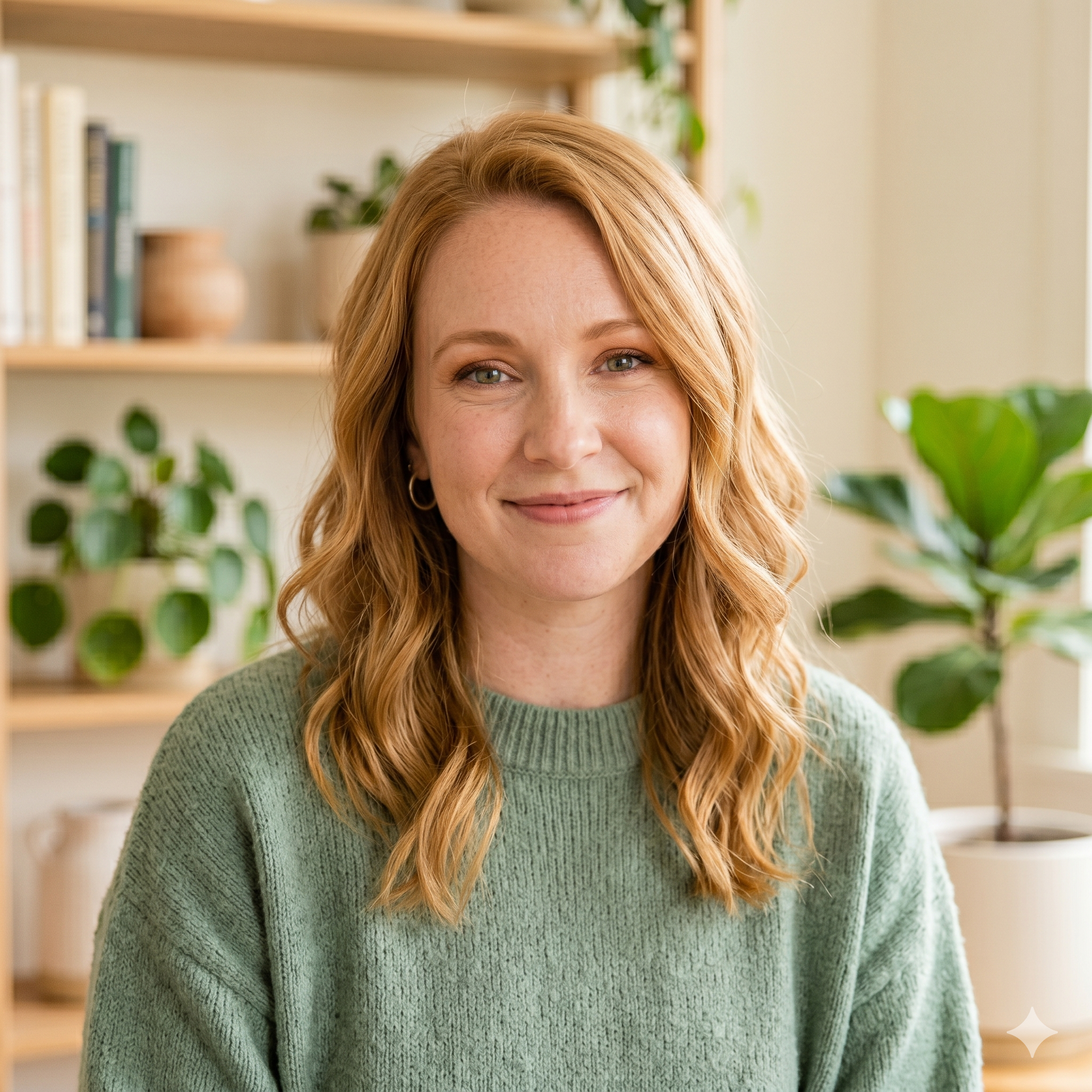
Hannah Joy Donovan is a self care advocate and mental wellness writer dedicated to helping busy people build daily habits that restore energy, reduce stress, and create genuine joy. With a passion for mindfulness, journaling, and practical wellness routines, Hannah built this blog to give everyone the honest, warm, and practical tools they need to truly take care of themselves.