Ever found yourself wide awake, heart pounding, with a thousand worries chasing each other through your mind? Anxiety isn’t just nerves—it can hijack your entire day, leaving you feeling stuck.
It wears on your confidence and zaps your energy, making even small decisions feel heavy. You might wonder if you’ll ever feel calm again without relying on medication—sometimes, that question keeps you up at night.
Here’s the thing: by the time you finish reading, you’ll get clear strategies for how to manage anxiety without medication. And you’ll know exactly which natural approaches actually make a difference. Stick around—real peace of mind is closer than you think.
Why Anxiety Happens And What Makes It Worse
If you’ve ever wondered why anxiety shows up even when life seems fine on the surface, you’re not alone. Anxiety isn’t just “worrying too much”—it’s a complex mix of biology, environment, and even habits you might not realize are making things worse. But what really triggers those feelings?
Your brain is wired to protect you. When it senses a possible threat (even if it’s just a tough conversation or a busy week), the amygdala—your brain’s alarm system—sounds off. Stress hormones like cortisol surge, and suddenly your heart races, your muscles tense, and thinking clearly becomes much harder. This fight-or-flight response is perfectly normal… but when it’s always on, anxiety takes over daily life.
- Genetics: If anxiety runs in your family, you might be more sensitive to stress—research from the National Institute of Mental Health shows genetic factors can make you more vulnerable.
- Life Events: Big changes (like job loss, moving, or illness) often trigger anxiety spikes. Even a buildup of daily stress can have the same effect over time.
- Environmental Factors: Chronic noise, poor sleep, too much caffeine, or lack of daylight all tip the scales in anxiety’s favor.
- Cognitive Habits: The way you think—especially negative self-talk or endless rumination—can actually reinforce anxious patterns without you knowing it.
💡 Pro Tip: According to the Anxiety and Depression Association of America, staying aware of your personal triggers—like lack of sleep or certain social situations—makes early intervention much easier and can stop a mild flare-up from becoming a full-blown episode.
Picture this scenario: It’s a rainy Monday morning. You spilled coffee, missed the bus, and—before you know it—your chest feels tight, and a sense of dread washes over you. Even if each trigger seemed small on its own, the combination pushed your brain’s alarm system into overdrive. That’s how easily anxiety can stack up, especially when habits like doomscrolling or skipping meals creep in under the radar.
| Factor | Possible Trigger | What To Watch For |
|---|---|---|
| Biological | Family history, brain chemistry | Notice early onset/stronger stress reactions |
| Emotional | Chronic worry, negative thinking | Constant “what if” thoughts, trouble relaxing |
| Lifestyle | Lack of rest, poor diet | Fatigue, mood swings, irritability |
The truth is, understanding what makes your anxiety worse is the first step to taking back control. But there’s one detail most people completely overlook until it’s too late…
Everyday Habits That Ease Anxious Feelings
You might be surprised by how much small daily habits can either fuel or calm anxious feelings. It’s not only about avoiding your triggers—sometimes it’s the basic routines that play the biggest role in shifting your mind toward calm.
So, what habits are scientifically shown to help ease anxiety? Here’s where practical choices stack up against persistent worries. Regular exercise stands out: even a brisk walk for 20-30 minutes a day increases levels of endorphins (those natural mood boosters). The American Psychological Association points to physical activity as a proven tool for lowering overall anxiety severity, often as effective as basic talk therapy for mild cases.
- Consistent sleep schedule (7–9 hours, same time each night)
- Balanced nutrition with steady blood sugar (think: breakfast, lunch, and a protein-rich snack)
- Fresh air and sunlight exposure, even just a few minutes daily
- Mindful breathing or grounding techniques first thing in the morning
- Limiting caffeine and alcohol—especially after 2 p.m.
In practice: Picture this scenario—each morning you start with a glass of water, a quick stretch, and a walk in the neighborhood before breakfast. You resist that extra cup of coffee and, instead, pack a banana and some nuts for an afternoon pick-me-up. Over a couple of weeks, you notice your mood feels less like a roller coaster and more like a gentle wave—still ups and downs, but no crashing lows.
💡 Pro Tip: Keep a small habit tracker (pen-and-paper or digital) for sleep, movement, and nutrition for just one week. National Institutes of Health studies show that visible progress increases motivation and reduces the risk of falling off track when stress rises unexpectedly.
| Habit | Frequency | Anxiety Benefit |
|---|---|---|
| 30-min walk outdoors | 5x/week | Boosts endorphins, lowers stress hormones |
| Consistent bedtime | Daily | Balances mood and energy, cuts “wired but tired” feeling |
| Tech-free wind down | 1 hour before bed | Promotes restful sleep, reduces racing thoughts |
Of course, for any health concern, talking to a licensed healthcare professional is essential—especially if anxiety affects your ability to function or keeps getting worse. What actually works might surprise you…
Breathing And Mindfulness Techniques That Really Work
Ever find your mind racing—even when you desperately want to relax? It happens to all of us. That’s where practical breathing exercises and mindfulness tricks come in. The real challenge is choosing the ones that work when you need them most, not just in a quiet yoga studio.
You don’t need expensive gadgets or perfect silence. You simply need a way to shift your focus from the storm in your head to the calm in your breath. Here’s a proven, step-by-step approach you can use anywhere—even at your desk or in the car:
- Settle In: Sit or stand comfortably, dropping your shoulders.
- Belly Breath: Place a hand on your lower belly. Inhale slowly through the nose for a count of 4, letting your abdomen rise.
- Hold and Reset: Gently pause for 2 counts. Notice your body’s tension.
- Slow Exhale: Breathe out through pursed lips for 6 counts, feeling your belly lower.
- Repeat: Complete 5 cycles. As anxious thoughts pop up, just name them (“worrying about work,” “task list”) and return to noticing your breath.
💡 Pro Tip: Research from Harvard Medical School confirms: just 5–10 minutes of focused diaphragmatic breathing daily can decrease cortisol—and lower anxiety’s physical grip—by as much as 30% in some cases.
In practice: You wake at 3 a.m., mind spinning. Instead of reaching for your phone, you try the above technique. The urge to fix, solve, or scroll loosens—leaving you with a softer, quieter sense of presence. That’s a tiny win you can build on anytime, day or night.
- Mindfulness Scanning: Guide your awareness down your body from head to toe, noticing sensations without judgment.
- Box Breathing: Inhale-hold-exhale-hold, 4 counts each, for four rounds. It’s a favorite among first responders and Navy SEALs to stabilize nerves fast.
| Technique | Time | Best For |
|---|---|---|
| Diaphragmatic Breathing | 5 min | Acute stress, tension headaches |
| Bodyscan Mindfulness | 10 min | Restlessness, sleep anxiety |
| Box Breathing | 3–5 min | Panic, rapid heart rate |
And this is exactly where most people make the most common mistake…
Natural Supplements—What Science And Experience Say
Ever wondered if a natural supplement could quiet your anxiety without side effects? The truth is—some options do have scientific support, while others are mostly hype. But sorting out what actually helps (and when it’s worth your money) isn’t always easy.
First up, let’s look at popular choices backed by research. Omega-3 fatty acids (found in fish oil) have been shown in several randomized trials—such as those published by the National Institutes of Health—to help reduce general anxiety, especially in people with low baseline levels. Then there’s Lavender oil capsules (Silexan), which European Medicines Agency guidelines list as effective for mild to moderate anxiety, with studies suggesting fewer side effects than prescription anxiolytics.
- Ashwagandha: This adaptogen (plant that helps the body handle stress) appears in many wellness routines. Controlled studies—like those from the Journal of Clinical Psychiatry—found that doses around 300mg twice daily may lower stress markers and perceived anxiety after a few weeks.
- Magnesium: Many people are deficient, and low magnesium is linked to higher anxiety symptoms. Supplementing (within recommended daily values) might help calm the nervous system.
| Supplement | Best Use | Key Precaution |
|---|---|---|
| Omega-3 Fish Oil | Generalized anxiety | Avoid if you have fish allergies |
| Lavender Oil (Silexan) | Mild-moderate anxiety | May interact with sedatives |
| Ashwagandha | Long-term stress support | Avoid when pregnant |
| Magnesium | Nervous system support | Excess may cause GI upset |
⚠️ Important Warning: The U.S. Food and Drug Administration (FDA) doesn’t regulate supplements as tightly as prescription medicine. Always discuss new supplements with a healthcare provider—especially if you’re taking medications or have underlying health issues.
In practice: Picture this scenario—after starting a daily magnesium supplement and swapping your second coffee for herbal tea, you notice you’re less jumpy and your sleep improves. No miracle, just a subtle but real shift. There are plenty of options out there—each with benefits, limits, and possible interactions. What actually works might surprise you…
When To Seek Support: Building Your Anxiety Toolkit
How do you know when it’s time to reach for help instead of pushing through anxiety on your own? The answer isn’t as cut-and-dried as you might think. Sometimes the bravest move is letting someone else in—especially if your coping strategies just aren’t cutting it anymore.
- Your anxiety keeps you from work, social plans, or daily routines.
- Symptoms last more than two weeks or keep getting worse, even with healthy habits.
- You find yourself avoiding things you used to enjoy or relying heavily on alcohol, food, or screens just to cope.
- Your sleep and energy are taking a real hit, or you notice physical symptoms (nausea, headaches, heart pounding) are now a daily thing.
Building your anxiety toolkit means pulling the best resources together, so you’re ready for tough days—without feeling like you have to handle everything alone. According to the Anxiety and Depression Association of America, there’s no “right” toolkit—just what actually fits your life, values, and symptoms.
- Professional Guidance: Licensed therapists (CBT, ACT, mindfulness-based) or counselors can offer personalized strategies. Telehealth options make support accessible from home.
- Peer Support Groups: In-person or online communities let you connect, learn, and break isolation. Organizations like NAMI run regular meetings in many regions.
- Self-help Strategies: Journals, symptom trackers, and anxiety apps help you spot patterns, especially on hard days.
- Trusted Contacts: Keep one or two friends in the loop—they can help ground you when things feel overwhelming.
- Emergency Resources: If anxiety turns to panic, or if you have thoughts of harming yourself, know how to reach local crisis lines or immediate care.
⚠️ Important Warning: Chronic or worsening anxiety deserves attention—reaching out to a mental health provider isn’t a sign of weakness. It’s a smart, research-backed investment in your well-being. When in doubt, seek professional guidance first.
Picture this scenario: After weeks of trying breathing exercises and sleep tools to little effect, you schedule just one session with a therapist. The relief you feel—just from being heard—reminds you that help doesn’t have to mean “forever.” It can simply mean you’re done going it alone. Small steps, repeated consistently, make the biggest difference over time.
Your Calm Is Within Reach
If you take just one thing from this guide, let it be this: you really can manage anxiety without medication by making small, consistent changes—habits, techniques, and support matter more than you think. We covered why anxiety flares up, which daily routines are worth building, and how the right strategies and natural supplements help create peace.
Maybe life felt overwhelming and out of your control before you landed here. But now, there’s a clearer path forward. You know your triggers, you’ve got practical tools, and you don’t have to do it alone anymore. Change doesn’t have to be instant—each small step still counts.
What’s one simple idea from this article you’re inspired to try this week? Share your plans (and questions!) in the comments. Your voice could help someone else too.
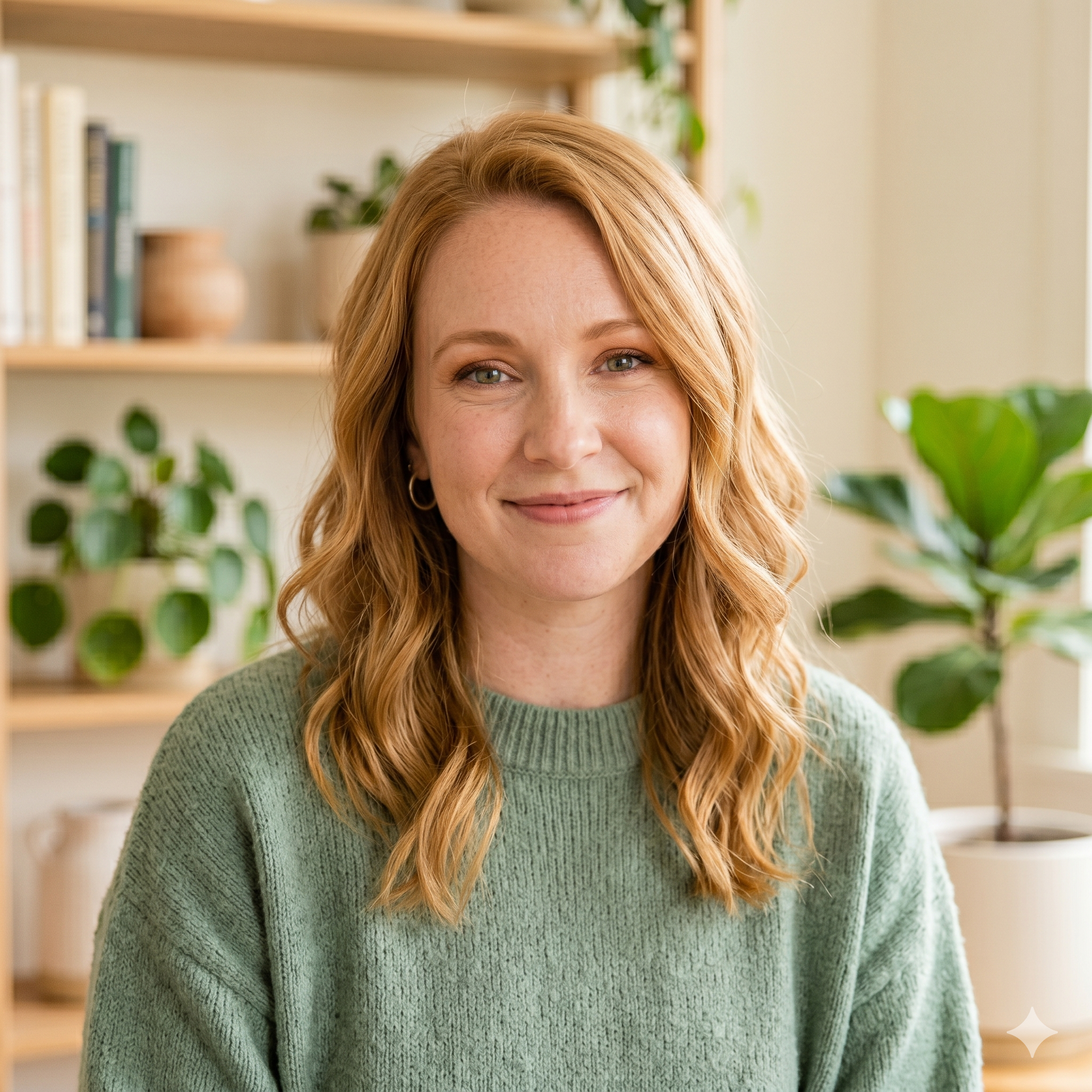
Hannah Joy Donovan is a self care advocate and mental wellness writer dedicated to helping busy people build daily habits that restore energy, reduce stress, and create genuine joy. With a passion for mindfulness, journaling, and practical wellness routines, Hannah built this blog to give everyone the honest, warm, and practical tools they need to truly take care of themselves.