Ever walk into a room in your home and feel like the walls are closing in? Maybe the noise, clutter, or just the energy leaves you more drained than calm at the end of a long day.
That need for a corner that actually helps you recharge is real. If you don’t carve out a sacred spot, you’ll probably find yourself endlessly searching for quiet—or worse, start resenting the place that’s supposed to give you comfort. You deserve better than winding down in chaos or staring at blank walls hoping for inspiration to strike.
By the time you finish here, you’ll have a clear pathway to transform any corner of your home into what you crave: a how to create sacred space home that soothes, centers, and feels entirely yours. Ready for a change you’ll actually feel? Keep reading, and let’s get your sanctuary started.
Understanding The Purpose Of A Sacred Space
Why does everyone seem more frazzled at home lately, even after a long day? Here’s the thing: your environment’s energy isn’t just background noise — it’s shaping your ability to relax, think clearly, and recharge. A sacred space at home isn’t a luxury; it’s a necessity in a world that rarely pauses. But what exactly is “sacred space,” and why does it matter so much for modern living?
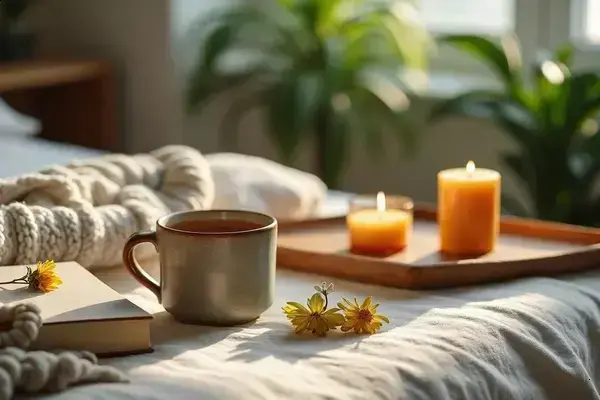
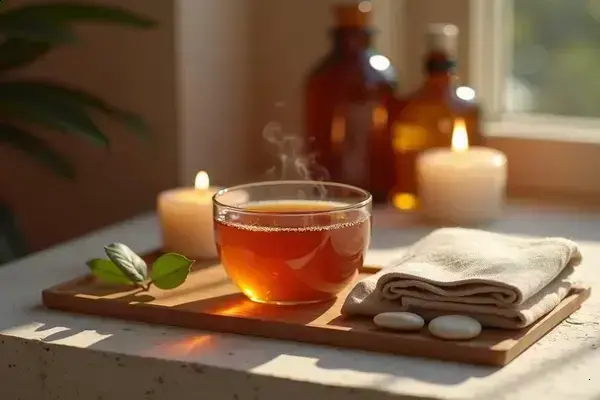
In practice: Picture this scenario — you walk through your front door, drop your keys, and head straight to a corner set aside just for you. Maybe it’s a few candles on a shelf, a soft meditation pillow, or a simple altar with a cherished keepsake. Within moments, stress melts away. Instead of chaos, you feel an immediate shift—an unexplainable sense of peace and renewal.
💡 Pro Tip: The most effective sacred spaces aren’t about a perfect look — they’re about personal meaning. According to the International Feng Shui Guild, even a single item that grounds you (like a favorite stone or family photo) creates instant emotional resonance.
So what really makes a space “sacred”? It isn’t about religion or grand rituals. It’s an intentional area, large or small, set aside for mindfulness, reflection, or whatever restores you. Research from the American Psychological Association shows that a designated calming area can lower heart rate, improve focus, and help manage daily anxiety — especially when personalized with sensory elements like scent, texture, or soft lighting.
| Sacred Space | Everyday Area | Key Difference |
|---|---|---|
| Intentional, calming energy | Multi-purpose, unfocused | Purpose creates psychological shift |
| Personal touches (crystals, incense) | General decor, TV, clutter | Objects evoke meaning, not just style |
| Clear boundaries (physical or energetic) | Used interchangeably | Boundaries protect focus & wellbeing |
This isn’t woo-woo talk — the Mayo Clinic even suggests creating a home “wellness zone” for stress reduction. The truth is, when you know the why behind sacred space, you’ll never see your living room (or bedroom, or even bathroom) quite the same again.
But there’s one detail most owners completely overlook until it’s too late…
Choosing The Perfect Location In Your Home
Where should you set up a sacred space if every room in your home is already spoken for? That question trips up even the most dedicated mindfulness folks. The truth is, the “perfect” spot isn’t always the one you expect—it’s about energy, boundaries, and function, not just square footage or sunbeams.
In practice: Imagine a small city apartment. Anna has a noisy living room, a shared kitchen, and barely any privacy. Still, she transforms the unused corner by her bedroom window into a tranquil retreat with a cushion, a sheer curtain, and one scented candle. It works because she chose location on feeling, not size. You can do the same, no matter your layout or budget.
💡 Pro Tip: Walk slowly through your home at different times of day before deciding—notice subtle shifts in light, noise, and privacy. According to the Environmental Design Research Association, natural light and airflow can measurably boost wellness, but privacy is non-negotiable for sustained relaxation.
- Natural light: Sunshiny spots feel uplifting, but some prefer cozy, low-light corners. Trust your instinct.
- Privacy: Look for tucked-away nooks, underused alcoves, or even a closet with the door left open.
- Noise: If you have kids, pets, or busy streets, choose somewhere you can buffer or mask disruption.
- Function: Will you meditate, stretch, journal, or just breathe? The answer shapes your spot.
- Boundaries: Use room dividers, curtain panels, or houseplants to create an energetic line between sacred and ordinary space.
| Potential Location | Best For | Watch Out For |
|---|---|---|
| Bedroom Corner | Private reflection, calming energy | Too close to electronics? Remove for focus |
| Living Room Nook | Communal relaxation, family rituals | Foot traffic—consider foldable screens |
| Balcony/Patio | Fresh air, nature connection | Weather, outside noise |
Some prefer window light, others crave a soft, dim sanctuary. There’s no one-size-fits-all—just the spot that feels right to you. And this is exactly where most people make the most common mistake…
Essential Elements For A Calming Environment
What actually makes a space feel instantly calming, not just prettier? It’s not just about fancy decor or minimalist Instagram trends—real relaxation comes from intentionally chosen elements that anchor your senses and invite mindful presence. Let’s break down the essentials you’ll want for a truly restorative sacred environment.
- Soft, Layered Lighting: Warm bulbs, salt lamps, or beeswax candles — these offer a gentle glow instead of harsh overheads, signaling your mind it’s time to unwind.
- Natural Textures: Think linen cushions, thick wool throws, or a jute rug underfoot. According to the Well Living Lab, tactile variety can ease the nervous system and create a grounded, sensory-rich haven.
- Scent and Fresh Air: Essential oil diffusers, incense, or bundles of dried sage — even the subtle scent of eucalyptus can reset your mood in seconds. Air circulation matters, too, so crack a window when you can.
- Personal Anchors: Objects that remind you of intention: a palm-sized crystal, a simple ceramic cup, or a photo by the ocean. This is where meaning trumps aesthetics.
- Sound Buffer: Soft background music, water fountain, or even noise-canceling panels. Silence is golden, but the right ambient sound turns a corner into an oasis.
💡 Pro Tip: Layering more than one sensory element — such as pairing soft textiles with calming scents — multiplies the relaxation effect. The Global Wellness Institute reports that multi-sensory design can reduce daily stress levels by up to 60% in home settings.
Picture this scenario: You step onto a small woven mat, toes warming on thick wool. Candlelight flickers amber on a shelf, the hint of lavender drifting in the air. You reach for a smooth worry stone, feeling that micro-moment of peace as city noise fades outside. That’s not just ambiance — that’s emotional architecture in action.
| Element | Why It Matters | Pro Tip |
|---|---|---|
| Soft Lighting | Signals body to relax, not be alert | Dimmer switches make any room adaptable |
| Natural Texture | Creates tactile comfort and grounding | Mix linen, jute, and wood for depth |
| Scents & Sound | Influences brain chemistry, lowers tension | Choose one scent for consistency; add gentle ambient noise or silence |
But there’s one detail most owners completely overlook until it’s too late…
Step-By-Step Guide To Personalizing Your Space
Ever find yourself inspired by beautiful spaces online, but totally overwhelmed when it comes to actually creating your own? It’s normal—the blank canvas effect is real. The truth is, a sacred space works best when it reflects your unique needs, not someone else’s Pinterest-perfect setup.
- Clarify Your Purpose: Do you want your nook for meditation, journaling, breathwork, or quiet reading? Naming your intent up front shapes every choice you’ll make.
- Gather Your Essentials: Collect meaningful objects, cozy textiles, natural elements, candles, or favorite books. Here’s a sample list you might try:
- Pillow or mat
- Incense or diffuser
- Small bowl of polished stones
- Soft blanket
- Journal and pen
- Set Up Anchor Pieces: Start with one focal object—a candle, statue, or even a living plant. Build outward, layering in comfort and intention.
- Shape Your Boundaries: Use a lightweight screen, low bookshelf, or cluster of plants to frame your spot. Marking the area (physically or visually) tells your mind: this is distinct from everywhere else.
- Add Sensory Details: Adjust lighting, add music or water sounds, spritz a calming scent, or toss on textures that invite touch. Remember, you’re designing for feeling, not just sight.
- Refresh Regularly: Swap out objects seasonally or when your needs shift. Personalization is an ongoing process—don’t be afraid to edit!
⚠️ Important Warning: Don’t overload your space. According to the American Institute of Stress, clutter directly increases cognitive load and anxiety, cancelling out your best intentions for relaxation.
Picture this scenario: Your friend’s sacred corner looks magical with crystals and a singing bowl, but you’ve always vibed more with smooth driftwood and a cup of herbal tea. That contrast proves it—personal meaning always trumps trends or aesthetics. Trust it.
What actually works might surprise you…
Maintaining And Refreshing Your Sacred Space
Why do even the most beautiful sacred spaces lose their magic after a few months? The answer isn’t a lack of inspiration — it’s neglect, stagnant energy, and the gradual creep of daily clutter. Here’s the thing: a revitalizing haven takes just a few mindful habits to stay fresh, welcoming, and effective.
- Regular Cleanse: Dust, sweep, and wipe surfaces weekly. This isn’t just for looks — the National Institutes of Health confirm that physical tidiness supports mental clarity and stress reduction.
- Energetic Reset: Burn sage, palo santo, or use sound bowls to clear lingering energies. Some people prefer opening a window and letting fresh air swirl through, especially after tough days.
- Seasonal Swaps: Every few months, rotate in new objects, colors, or fabrics. Maybe swap a summer shell for a pinecone or update aromas from citrus to cedarwood.
- Check-In with Yourself: Ask: Does my space reflect what I need now? Sometimes that means removing an overused item or adding a new affirmation card.
- Intentional Placement: Reset your main anchor piece — candle, crystal, or plant — at the center. Returning things to their meaningful spots is a mini-ritual in itself.
💡 Pro Tip: Keep a small basket or drawer nearby just for sacred space items not in use. This prevents accidental clutter and makes regular refreshes quick and rewarding.
Picture this scenario: It’s been a stressful week. As you sweep away dust from your altar and light a new stick of incense, you suddenly notice how relief quietly returns—the air is lighter, your breathing slower. Cleaning isn’t a chore; it’s a reset button.
| Action | Frequency | Why It Matters |
|---|---|---|
| Physical Cleanse | Weekly | Keeps energy and air clear |
| Energetic Reset | Monthly/as needed | Removes emotional residue |
| Seasonal Update | Quarterly | Aligns space with your growth and needs |
Small steps, repeated consistently, make the biggest difference over time.
Your Calm Retreat Starts Today
Creating a sacred space at home isn’t complicated. Remember to choose a location that feels right, add calming elements that matter to you, and keep your nook fresh with gentle maintenance. If you take just one thing from this guide, let it be: your how to create sacred space home journey is personal—there’s no “right” way, only what brings you peace.
Maybe before, your home was all noise and no escape. Now you know how to carve out moments of calm, a special spot to reset, and ways to let that energy last. You don’t need a huge budget or fancy stuff. Just intention, authenticity, and a bit of curiosity. Small changes can spark major calm if you allow them in.
Which calming element or ritual are you adding to your sacred space first? Let us know in the comments—your idea might inspire someone else!
Hannah Joy Donovan is a self care advocate and mental wellness writer dedicated to helping busy people build daily habits that restore energy, reduce stress, and create genuine joy. With a passion for mindfulness, journaling, and practical wellness routines, Hannah built this blog to give everyone the honest, warm, and practical tools they need to truly take care of themselves.