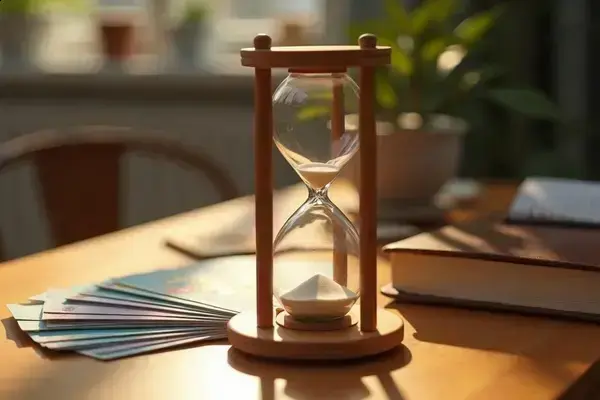
Picture this: you’ve ticked off every item on your never-ending to-do list, but instead of feeling accomplished, you’re running on empty. That hollow exhaustion? It’s more common than you’d think — and it’s not just about working too much, it’s about skipping real rest in the name of checking off tasks.
The trouble comes when life’s demands pile up and rest always lands in last place. You might be hyper-productive, but are you actually taking care of yourself? The truth is, that pace can start to blur the line between being successful and simply surviving. You’ll feel the stress seep into everything — energy, mood, relationships — sometimes before you even realize what’s happening.
By the end of this guide, you’ll have a clear productivity self care balance guide that goes beyond ticking boxes — you’ll know how to get things done and still feel good. Ready to reset how you approach your day?
Why You Always Feel Overwhelmed Even When You Get Things Done
Ever finish a jam-packed day and still feel like you haven’t made a dent? That nagging sense of overwhelm—even when tasks are marked complete—doesn’t mean you’re doing less; it usually means you’re running without breathing room. The secret isn’t always working harder. It’s about understanding where the exhaustion really comes from.
Here’s the thing: most of us set expectations based on relentless hustle culture. The American Psychological Association has found that chronic stress often stems from mental overload, not just physical work. Juggling a dozen responsibilities, rapid task-switching, and keeping up with social pressures all pile up—fast. When you never see the finish line, your brain stays on high alert, triggering a constant low-level anxiety that feels impossible to shake.
💡 Pro Tip: According to Mayo Clinic, even a five-minute intentional pause between tasks can reduce cortisol spikes and help your brain reset. Try stepping away for a breath, not just scrolling through your phone.
Picture this scenario: it’s Monday. You clear your inbox, crush two deadlines, return every missed call. But your mind is still racing as you brush your teeth at night—wondering if you forgot something, feeling guilty for what’s left unfinished. That’s mental residue at work. Real productivity isn’t only about doing more, but about leaving space to recover—so overwhelm doesn’t quietly compound day after day.
- Lack of boundaries: Without clear stopping points, work bleeds into every part of life.
- Poor prioritization: Not all tasks matter equally—treating them the same fuels stress.
- Unrealistic to-do lists: Overloading your day guarantees daily disappointment, even with strong focus.
| Cause of Overwhelm | How It Shows Up | Solution |
|---|---|---|
| No boundaries | Work spills into rest hours | Set real cut-off times daily |
| Task overload | Constant churn, few wins | Pick a realistic top 3 each day |
| Perfectionism | Procrastination, slow progress | Focus on done, not perfect |
And honestly? Feeling overwhelmed doesn’t mean you’re failing; it means your system needs a tweak. What actually works might surprise you…
Understanding What Rest Really Means For Your Productivity
What is rest, really? It isn’t just sleeping longer or collapsing on the couch with your phone scrolling endlessly. Real rest actually recharges your mind and body — and it’s the lifeline for sustainable productivity, not just a reward after grinding yourself down.
Research from the National Sleep Foundation shows that restful breaks throughout the day (not only at night) improve memory, focus, and creative thinking. Many think they’re relaxing when distracted, but true recovery requires being intentional — like quieting your environment and shifting your brain off problem-solving mode, even just for ten minutes.
- Passive rest: Activities like deep breathing, meditation, or a short walk that let your brain disconnect and recover.
- Active rest: Creative hobbies, gentle stretching, or drawing—anything enjoyable that doesn’t involve performance pressure.
- Micro-rest: Quick 2–4 minute pauses between tasks to close your eyes or step away from screens.
In practice: imagine you’re pushing through a big deadline. You skip breaks thinking you’ll finish faster. By the third hour, your focus blurs and mistakes creep in. But if you took a real 5–10 minute rest every hour, you’d finish with fewer errors and more energy for the rest of the day.
| Rest Type | Recharge Power | Best For |
|---|---|---|
| Power Nap | High (10–20 min) | Mental clarity, late afternoon slump |
| Nature Break | Medium (15 min walk) | Reducing screen fatigue |
| Mindful Meditation | High (5–10 min) | Anxiety, overwhelm resets |
💡 Pro Tip: Schedule time for intentional rest on your calendar (literally block the slot). According to Harvard Medical School, pre-committing makes you twice as likely to follow through and actually benefit from the pause.
Worth noting: rest isn’t the absence of work; it’s a vital tool for doing better work. And this is exactly where most people make the most common mistake…
How To Build A Daily Workflow That Includes Breaks And Boundaries
Ever wonder why your days end up in chaos, even with the best intentions? Building a workflow that honors both productivity and rest isn’t about flawless discipline — it’s about acting on purpose. When your routine has real boundaries and regular pauses, you’ll get more done and actually feel better doing it.
- Set a Start and End Time: Don’t let your workday spill endlessly into your evenings. Use a visual trigger — like shutting a notebook or moving a mug — to start and close work.
- Time-Block Your Tasks: Pick focused blocks (45–90 minutes) for top priorities. Allocate ‘buffer zones’ as catch-all moments for unexpected stuff.
- Plan Rest Like Work: Add at least three deliberate breaks (even brief ones) to your calendar. Physically get up, breathe deeply, walk — do anything except glance at a device.
- Limit Meeting Overload: Cap meetings to 30–45 minutes when possible, and keep at least one hour of meeting-free time daily to catch your breath.
- Use Gatekeepers for Distractions: Turn off notifications or set your phone to ‘Do Not Disturb’ during deep work sprints.
- Write a Daily “Done” List: Before you finish, jot what you actually achieved. This shift from “to-do” to “have done” helps track real progress.
- Physical clock or timer
- Paper planner or digital calendar
- Comfortable chair and workspace
- Water bottle or herbal tea
- Sticky notes for reminders
In practice: imagine a freelancer, Mia. She used to say yes to every last-minute request — her evenings vanished, burnout crept in. After restructuring her day with break alarms and a set closing time, her output rose and her stress dropped. It took awkward adjustment at first, but the payoff was real freedom.
💡 Pro Tip: According to the Centers for Disease Control and Prevention, regular microbreaks (short, frequent pauses) reduce eye strain, refresh attention, and prevent musculoskeletal issues, especially for desk workers.
| Workflow Element | How To Implement | Common Pitfall |
|---|---|---|
| Start/End Times | Visual cues (lamp, music) | Skipping closure ritual |
| Task Blocks | Calendar color codes | Ignoring buffer time |
| Breaks | Phone alarms every 90 mins | Working through rest slots |
And here’s the mistake most people make — setting boundaries but not actually defending them when crunch time hits…
Recognizing Early Signs Of Burnout Before It Derails You
What are the real warning signs of burnout — the ones you might not notice until it’s almost too late? It’s not just about feeling tired or needing a vacation. Burnout has sneaky symptoms that show up before things hit a crisis point, but you’ll only catch them if you’re paying close attention.
- Constant Exhaustion: You’re always tired, no matter how much sleep you get. Your energy never seems to recharge, even after weekends or days off.
- Indifference and Cynicism: Tasks you once cared about now feel pointless. You find yourself detached or numb, just going through the motions.
- Productivity Slump: It takes longer to do routine work, and mistakes pile up. Your focus drifts — and it’s not because you’re lazy.
- Physical Symptoms: Headaches, stomach issues, or muscle pain start popping up for no clear reason, according to the World Health Organization.
- Withdrawal: You begin avoiding meetings, texts, or even friends and family. Social effort feels like too much work.
⚠️ Important Warning: The American Institute of Stress notes that ignoring early burnout leads to chronic health issues. If you feel stuck, consult a licensed medical or mental health professional — early intervention makes all the difference.
Picture this scenario: Sam, an ambitious project manager, notices he wakes up already tired. At work, emails blur together. Coffee stops working. Frustration is rising at small things. He shrugs off missed deadlines, blames himself for being ‘unmotivated.’ Friends invite him out and he declines. These are classic burnout signals — and so many push through, thinking more effort will fix things. But all it does is accelerate the slide.
| Early Sign | What It Looks Like | Action Step |
|---|---|---|
| Chronic fatigue | Tired every morning | Take a real day off |
| Withdrawal | Avoiding messages | Schedule one social check-in weekly |
| Neglected tasks | Falling behind | Ask for support or reassign |
The truth is, you can’t “push through” burnout. The next step? Spotting it early is only half the battle — now you’ll need a way to monitor progress without adding even more stress…
Simple Tools To Track Progress Without Stressing Yourself Out
Is it possible to track your progress without falling into a perfectionist trap? Absolutely — the best systems don’t add more work to your life, they take work off your mind. You just need to focus on tools that blend simplicity with real insight.
- Choose a Visual Tracker: Use a wall calendar or whiteboard grid to mark finished tasks. Seeing progress at a glance delivers more motivation — not pressure.
- Daily “Done” List: Instead of an endless to-do, jot down what you accomplished each day. It’s a perspective shift that builds confidence over time.
- Weekly Review: Set a recurring 15-minute calendar slot to look back and celebrate wins, not just flag what’s unfinished.
- Smart Habit Apps: Use apps like Habitica (by HabitRPG, Inc.), Streaks (Crunchy Bagel), or TickTick (Appest Inc.) — all offer simple checklists and gentle streak tracking without ads taking over.
- Scalable Notebook Method: Keep a compact, physical notebook divided by day and week — analog tracking, free of digital fatigue.
In practice: picture this scenario — Jordan, a busy grad student, felt guilty for everything he wasn’t doing perfectly. By switching to a color-coded weekly tracker (green for completed, yellow for in-progress), the guilt faded. Now, he spots patterns and feels good about even small steps forward each week.
| Tool | Key Benefit | Best For |
|---|---|---|
| Habitica | Gamifies tasks, builds routine streaks | Gamers, list lovers |
| Streaks | Visual chains, easy overview | iOS users, habit focus |
| Weekly Wall Grid | Low-tech, immediate feedback | Families, analog fans |
💡 Pro Tip: According to the American Psychological Association, small rewards — like a smiley face or colorful magnet — help reinforce positive tracking habits and keep motivation genuine.
Small steps, repeated consistently, make the biggest difference over time.
Balance Is Your New Advantage
If you take just one thing from this productivity self care balance guide, let it be: you don’t need to choose between getting things done and taking care of yourself. The sweet spot is possible. Remember what rest really is, watch for signs of burnout early, and use practical tracking tools you’ll actually enjoy.
Before reading, maybe you thought the only path was more hustle—a recipe for exhaustion. Now you know how to set boundaries, build breaks into your routine, and spot trouble before it takes over. You can work smarter and feel better, every single day. Little by little, you’ll see the shift.
Which strategy from this guide are you most excited to try in your own routine? Let us know in the comments and share what balance means for you!

Hannah Joy Donovan is a self care advocate and mental wellness writer dedicated to helping busy people build daily habits that restore energy, reduce stress, and create genuine joy. With a passion for mindfulness, journaling, and practical wellness routines, Hannah built this blog to give everyone the honest, warm, and practical tools they need to truly take care of themselves.