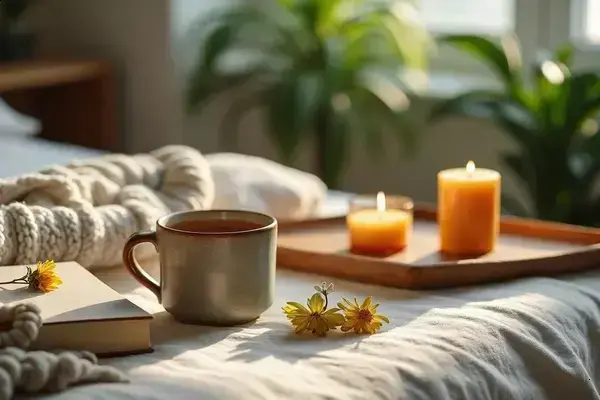
Ever wake up Saturday morning and suddenly feel the pressure to make every minute count—only to lose hours to indecision or chores you didn’t plan? It’s like your days off disappear before you even get a chance to enjoy them. That sense of time slipping away? It’s more common than you think.
If you don’t have a weekend routine, things get messy fast. Instead of using your days to actually recharge, you end up scattered, tired, maybe even a bit resentful when Monday rolls around—almost as if your weekend disappeared into thin air. And, let’s be real, nobody signs up for that.
By the time you finish reading, you’ll have a menu of weekend routine ideas adults can actually look forward to. These aren’t just feel-good tips; they’re tried-and-true ways to make your days off not just restful, but genuinely satisfying. Ready to reclaim your weekends? Here’s your first step.
Morning Rituals To Set The Tone For Relaxation
Ever roll out of bed on a weekend and instantly feel the urge to check your phone, start chores, or dive into errands? You’re not alone — weekends too often start in a rush, which sets a frantic energy that can linger all day. But there’s a better way, and it starts the moment you wake up.
Adopting intentional morning rituals is more than a trend; it’s a science-backed way to reset your mood and energy. According to the Sleep Foundation, establishing a gentle routine in the first hour after waking up helps lower stress hormones and improves emotional well-being for adults of all ages.
💡 Pro Tip: Keep your phone in another room overnight — research from the American Psychological Association shows that reducing early-morning screen time greatly boosts calm and focus for the entire day.
The Anatomy of a Soothing Weekend Morning
- Wake up naturally (or with a gentle alarm). Give yourself the luxury of a slow start. If you need an alarm, try a sunrise clock or a playlist that ramps up gradually.
- Hydrate before coffee. Drink a large glass of water to kickstart your metabolism and shake off sleep inertia — a common culprit behind weekend sluggishness.
- Open a window or step onto your balcony. Letting in fresh air and natural light signals to your brain it’s time to fully wake up, setting a positive tone.
- Move your body gently. Five minutes of stretching or yoga is enough. No fancy gear required — a soft rug or towel does the trick.
- Prepare a “slow breakfast.” Opt for foods you don’t have time for during the week: think Greek yogurt parfaits, whole-grain toast with almond butter, or steel-cut oats simmered with cinnamon.
In practice: imagine waking up to the aroma of freshly brewed coffee and a table already set with your favorite mug and a cozy breakfast bowl. Instead of scrolling news, you read a chapter of a novel or watch birds outside. Your mind feels quieter and you’re in control of your pace — not the other way around.
| Habit | Benefit | Pro Tip |
|---|---|---|
| Hydration First | Boosts energy & reduces grogginess | Keep water on your nightstand |
| Open Window | Improves mood & alertness | Pair with light breathing exercises |
| Slow Breakfast | Supports mindful eating | Prep ingredients the night before |
Here’s the thing: small, purposeful morning habits ripple through your entire weekend, making relaxation your default — not a luxury. But there’s one detail most adults completely overlook until it’s too late…
Creative Ways To Reconnect With Yourself
Feeling like your weekends fly by without a moment for yourself? That sense of disconnection isn’t just in your head. According to the American Psychological Association, regular self-connection is key to well-being — yet most adults accidentally skip it in favor of ‘productive’ activities or endless scrolling.
But how do you actually reconnect with yourself in a modern world where the noise never stops? The truth is, genuine self-reflection requires active, creative strategies. It’s not about sitting quietly, waiting for inspiration to strike; it’s about making space for your own thoughts, emotions, and ideas.
- Journaling with Intention: Try guided journals like The Five Minute Journal or MindJournal. Each provides prompts to help you dig deeper than simple gratitude lists or daily recaps.
- Art Without Judgment: Doodling, painting, or collage work isn’t just for artists. Letting your hand wander with colors and shapes unlocks parts of your mind that words sometimes can’t reach.
- Solo Nature Immersion: Take a mindful walk in a park, garden, or even your own backyard. Challenge yourself — leave headphones at home and notice details: light, smells, sounds.
- Single-Task Rituals: Brew loose-leaf tea, assemble a puzzle, or handwrite a letter. Focusing entirely on one sensory activity can ground you in the present like nothing else.
💡 Pro Tip: Block 30 minutes for a ‘solo session’ — phone off, no agenda — every weekend. A study in the Journal of Positive Psychology found that structured solitude boosts creativity and mood in adults more than multitasking ever does.
Picture this scenario: It’s Sunday. You turn off notifications, grab watercolor supplies you haven’t touched in years, and just let yourself play. Suddenly, old ideas resurface. Frustrations fade. Clarity creeps in — and you haven’t spent a dime on therapy or retreats.
| Activity | How It Reconnects | What You’ll Need |
|---|---|---|
| Guided Journaling | Clarifies emotions, encourages honesty | Prompted notebook, pen |
| Art Making | Unlocks creativity, relieves stress | Paper, colors, open mind |
| Nature Walk | Resets nervous system | Access to greenery, comfortable shoes |
Here’s the thing: most adults wait for a vacation to reconnect, missing the hidden potential of an ordinary weekend. What actually works might surprise you…
Fun And Practical Approaches To Socializing
Ever wonder why weekends sometimes feel lonelier than the busiest workday? Real talk: meaningful social connection isn’t about cramming your calendar — it’s about quality. Research from the Mayo Clinic has shown that regular, positive interactions with friends or community members directly boost happiness, reduce stress, and even improve long-term health outcomes.
Here’s the thing: it’s not always easy to make plans. Schedules rarely line up. But you don’t have to choose between a packed house and a blank slate. Balancing fun with practicality can turn every weekend into a series of mini-celebrations.
- Host a Themed Brunch: Pick a simple idea — like “Pancake Toppings Bar” or “Coffee and Croissants.” Invite two or three friends who get along. Less stress, better conversations.
- Plan a Joint Outdoor Activity: Hiking, biking, or even neighborhood cleanup fosters connection without awkward silences. Shared goals build stronger bonds than small talk ever could.
- Join a Local Workshop: Pottery class, cooking demo, or improv night. The National Alliance on Mental Illness notes that pursuing shared interests is one of the fastest ways to break social ice as an adult.
- Board Game Café: No need to host or clean up. Just show up, pick a game (Codenames, Carcassonne, Azul), and let the laughs happen naturally.
💡 Pro Tip: Rotate hosting duties. This reduces pressure on any one person and increases variety in activities, so your group never gets tired of the same old thing.
In practice: picture this scenario. You’re tired on Friday. You text a friend — “one-hour board game at the corner café?” Nobody dresses up, nobody bails last minute, and the week’s stress melts away over a ridiculous round of Uno.
| Social Idea | Ease of Planning | Potential Cost |
|---|---|---|
| Themed Brunch at Home | Simple (prep ahead) | Low |
| Board Game Café | Very easy | Low–moderate |
| Local Workshop | Moderate (book in advance) | Varies |
And this is exactly where most people make the most common mistake…
How To Balance Rest And Productivity
How do you actually enjoy your downtime without that nagging guilt about your to-do list? It’s a challenge — weekends can easily slip into all-or-nothing: pure sloth or frantic catch-up. But here’s the thing: genuine rest and adult-life productivity don’t cancel each other out. They’re partners.
The American Institute of Stress highlights that effective restorative time isn’t just about doing nothing. It’s about active rest — activities that give your mind and body real relief, while chipping away at life’s logistics in healthy doses.
- Block Micro “Power Hours” — Pick a 60-minute slot for productive errands or tasks (cleaning, bills, grocery run). Set a timer. Get moving, then stop.
- Protect Non-Negotiable Rest Windows — Schedule blocks for naps, reading, or leisure. Treat this time like an appointment you wouldn’t break.
- Batch Similar Tasks — Tackle errands or chores in a single sweep. That way, you don’t deal with constant interruptions throughout the day.
- Use the “Two-for-One” Rule — Pair a relaxing ritual with a small productive task (listen to an audiobook while folding laundry or take a walk while brainstorming your meal plan).
- End With a Quick Reflection — Before Sunday evening, ask: “What gave me actual joy? What will I shift next time?” This habit upgrades your weekends over time.
💡 Pro Tip: Use a visual schedule (like a dry erase board on your fridge or a sticky note plan) so you physically see both rest and productivity — and notice if one’s crowding out the other.
In practice: You’ve got a free Saturday. After morning coffee, you blast through laundry and kitchen cleanup in under an hour (timed!), then settle into a sunny corner with a mystery novel. Later, you organize pantry shelves while catching up on your favorite podcast. No multitasking chaos, just an easy rhythm.
| Strategy | Benefit | Watch Out For |
|---|---|---|
| Power Hour | Reduces procrastination | Don’t let it overrun |
| Rest Window | Improves energy & creativity | Temptation to skip |
| Task Batching | Keeps weekends uncluttered | Overloading one block |
Balancing acts are never perfect — but small shifts in structure create dramatic differences. But there’s one detail most adults completely overlook until it’s too late…
Easy Evening Habits That Help You Unwind
Ever find yourself lying in bed Sunday night, mind racing with undone chores or anxious about the week ahead? You’re not alone. Evenings are your secret weapon for truly ending the weekend rested — or, if you ignore them, they’re the quickest way to sabotage your Monday energy.
The National Sleep Foundation points out that quality evening routines lower stress markers and prepare your body for deep, restorative sleep. But here’s the thing: relaxing isn’t about scrolling until midnight. It’s about simple, repeatable habits that cue your brain, “Hey, it’s time to power down.” Want a little inspiration?
- Practice Gentle Screen-Free Time: Set an analog clock on your nightstand and switch devices to Airplane Mode at least 30 minutes before bed.
- Evening Reset Ritual: Tidy your main space — just 10 minutes of folding blankets, fluffing pillows, and stacking dishes. Physical order creates mental peace.
- Set Out Tomorrow’s Essentials: Pack your bag, prep your coffee maker, or lay out workout clothes. Future-you will thank you.
- Low-Light Activity: Read a paperback, light a soy candle, and let your mind wander. Vision Health Initiative notes that this kind of wind-down improves sleep quality for adults.
- Relaxation Cue: Sip herbal tea or do two minutes of slow breathing. Consistency is key — your body thrives on small but predictable signs that it’s time to sleep.
💡 Pro Tip: Keep a gratitude journal by your bed (a simple notebook works). Jotting down three small wins from the day rewires your mindset — and helps you fall asleep with a lighter heart.
Picture this scenario: The living room is softly lit, a cup of chamomile steaming beside a hardcover book. You tuck away your phone, swap overhead bulbs for a lower bedside lamp, and ease into sleep feeling so much calmer than you started.
| Evening Habit | Why It Works | How To Start |
|---|---|---|
| Screen-Free Time | Lowers stress, preps brain for sleep | Use analog clock, set alarm early |
| 10-Minute Reset | Reduces clutter-anxiety | Pick one area nightly |
| Low-Light Reading | Signals body to wind down | Switch to lamp, avoid e-readers |
Once this is in place, the rest of the routine falls into place naturally.
Your Weekends Can Feel Different
If you take just one thing from this weekend routine ideas adults guide, let it be: your days off get a whole lot better the moment you add intention, not just escape. Morning rituals set the tone, time for self-connection is powerful, and balancing rest with productivity doesn’t mean giving up fun or relaxation.
Maybe your weekends felt random or even stressful before. Now you’ve got a clear menu of ideas and routines to pull from—a toolkit you can use to make next Saturday and Sunday genuinely restorative. It’s not about doing more, it’s about doing what matters. You have everything you need to make your time off count in a way that actually feels good.
Which of these ideas are you most excited to try first this weekend? Share your plans or questions in the comments—we’d love to hear what sounds like a game changer for you!

Hannah Joy Donovan is a self care advocate and mental wellness writer dedicated to helping busy people build daily habits that restore energy, reduce stress, and create genuine joy. With a passion for mindfulness, journaling, and practical wellness routines, Hannah built this blog to give everyone the honest, warm, and practical tools they need to truly take care of themselves.